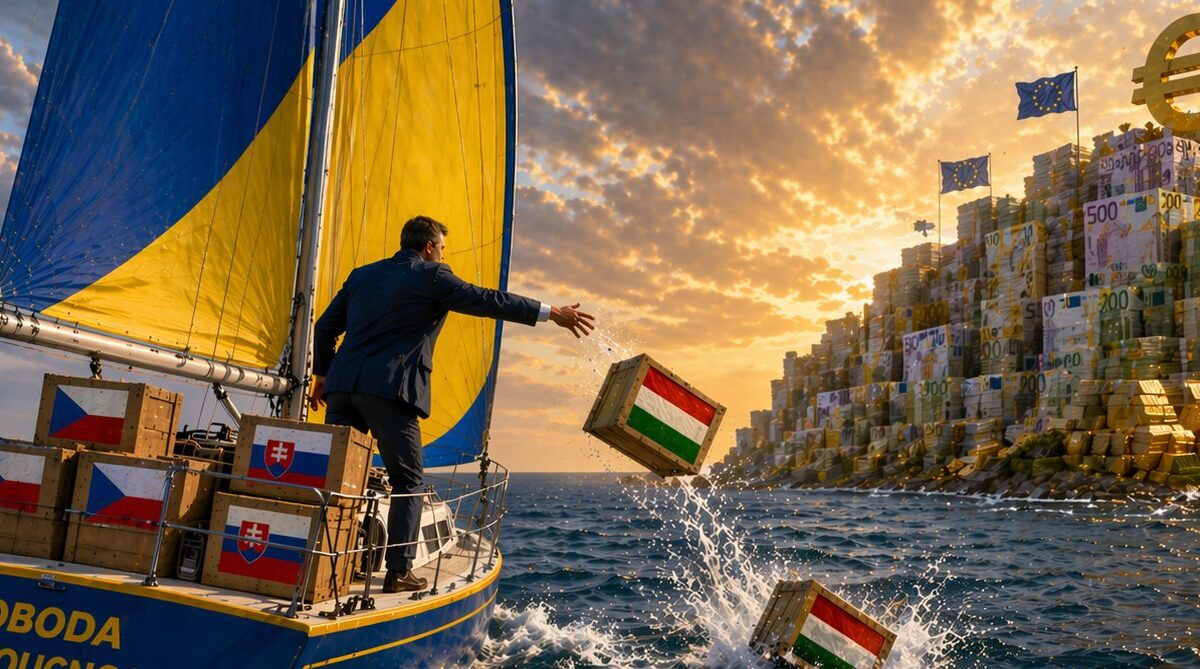

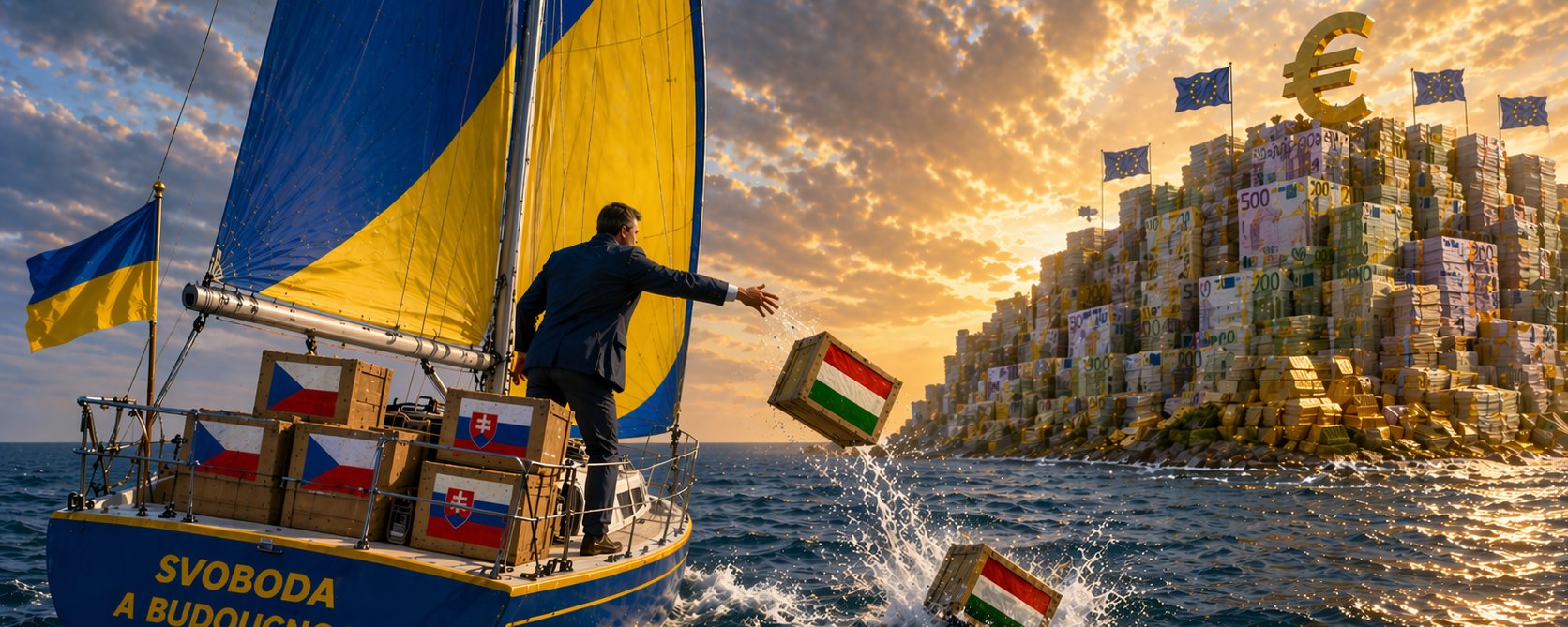
Anyone believing that the departure of Hungarian prime minister Viktor Orban, Zelenskyy’s number one critic in the EU, following his recent defeat in the Hungarian parliamentary elections, will make it smooth sailing for Ukraine to disburse a €90 billion loan approved by the EU last December 2025, is quite wrong.
While the new Hungarian government may break with the policy of paralysing EU decision-making on Ukraine, other Eastern European member states, particularly Slovakia, may continue to block the delivery of vital aid to war-torn Ukraine. (Hungarian authorities earlier had issued an ultimatum to Kyiv: the funds will only be released after Russian oil supplies to Hungary via the damaged Druzhba pipeline are restored.)
’Slovakia’s premier was often Orbán’s faithful partner-in-veto, joining his fellow pro-Russia leader in blocking sanctions on Moscow and demanding a carveout from the EU’s €90 billion loan for Ukraine. With Orban out, Fico stands alone as the Kremlin’s closest – and perhaps last – friend in the EU’, POLITICO writes.
’I am interested in being a constructive player in the European Union, but not at the expense of the Slovak Republic,’ Fico said last year and this statement doesn’t bode well for the further support of Ukraine.
In addition to the Slovak PM, Prime Minister of Czechia Andrej Babiš should also be mentioned when it comes to the issue of potential blocking of the €90 billion tranche for Kyiv given that he had called for reducing support for Kyiv and, together with Orban and Fico, Babiš demanded that Czechia be excluded from the EU’s €90 billion loan for Ukraine.
These countries argue that increasing EU military aid to Ukraine is not a solution and were granted the right not to join the program. However, Orban’s out from the European decision-making does not mean the loan will automatically be released.
Despite Ukrainian President Volodymyr Zelenskyy said that given that ’this money is our life, it is ’oxygen’ for the army’ and, Kyiv will definitely unlock a €90 billion loan from the EU, it is yet too early to speak about a success story since the European Commission has postponed the first tranche of a €90 billion loan to Ukraine mid-April.
In addition to the potential veto by Hungary, Slovakia and Czechia, Ukraine is also facing bureaucratic obstacles such as the need for preparing a Memorandum of Understanding which will serve as the basis for the macro-financial assistance channel, an updated Ukraine Plan – the basis for the Ukraine Facility program, through which budgetary support will be provided and, a loan agreement with Ukraine. Without these documents prepared, Ukraine won’t have the slightest chance of being able to get access to the vital ’oxygen.’
From another perspective, by postponing the process of providing Ukraine with a substantial loan for a few months, Member States have been provided with a chance to rethink and redefine their stance on Ukraine, thereby taking steps to restore the traditional merit-based assessment in the enlargement process.
